

BILO DYE SHOP

Welcome to the website of BILO dye shop! Our company has been specializing in dyeing, refining and treatment of fabrics and knitted fabrics in finished textile products for almost 30 years. We have a modern machinery park that enables us to carry out all, even the most extraordinary orders. One of the flagship services of our company is dyeing viscose, polyamide and denim. In addition, as one of the few, we offer dyeing clothes. The colour of fabrics dyed and bleached in our company is durable and intense.

During many years of our operation on the market, we have worked with many customers, also in the field of refining finished products, washing and decatising fabrics. Our range of services is a response to customer needs and the latest trends. In addition, you can use the help of our specialists – we always explain in detail the nature of the given service, the scope of works and what the expected effect. Refining fabrics is for us more than just work and we try to share our experiences. If you are not sure if the fabric can be treated, please contact us. We will do our best to answer all your questions.

Decatising of fabrics

The aim of the process of decatising is to “pre-shrink” the fabric so that the clothes made of it do not shrink during use, especially during the first wash. The second reason why it is worth to decatise the fabric is to clean it of impurities that may have occurred in the factory, warehouse, and during transport. Denim decatising is a separate service, which gives denim clothes a unique character. We make 3D effects as well as effects of damage and aging of denim products. We can make the clothes unique, for example through the natural leather effect or the peach effect. Water cleaning does not affect the finishes we obtain. Have a look at the full Bilo range of services! We guarantee timely execution of orders, competitive prices as well as professional service and support at every stage of the order. It is also worth knowing that all the products we use are safe for both health and the environment.

kobieta z deskorolką

Selection of coloring techniques

tańcząca kobieta

Decatization of fabrics and knitted fabrics

kobieta w żółtej spódnicy

Dyeing of fabrics and knitted fabrics

siedząca na podłodze kobieta

Antique denim products

kobieta w białej sukni

Bleaching of fabrics and knitted fabrics

baletnica

Refining fabrics and knitted fabrics

breakdance

Our projects

Z tkanin powstają wszystkie noszone przez nas ubrania. Mimo wszystko, zanim tkanina będzie nadawała się do tego, aby być spodniami lub koszulką, musi być poddana odpowiedniej obróbce, czyli barwieniu oraz bieleniu, dzięki czemu na zewnątrz wychodzą wszystkie jej walory oraz zostaje nadana jej jedna z najważniejszych funkcji panujących w modzie – funkcja estetyczna. Estetyka tkanin...

Jak przygotować tkaninę do barwienia?

Z tkanin powstają wszystkie noszone przez nas ubrania. Mimo wszystko, zanim tkanina będzie nadawała się do tego, aby być spodniami lub koszulką, musi być poddana odpowiedniej obróbce, czyli barwieniu oraz bieleniu, dzięki czemu na zewnątrz wychodzą wszystkie jej walory oraz zostaje nadana jej jedna z najważniejszych funkcji panujących w modzie – funkcja estetyczna. Estetyka tkanin oraz ubrań jest niezwykle ważna, ponieważ ubrania już dawno przestały być tylko okryciem przed warunkami panującymi na dworze.

Proces barwienia tkaniny

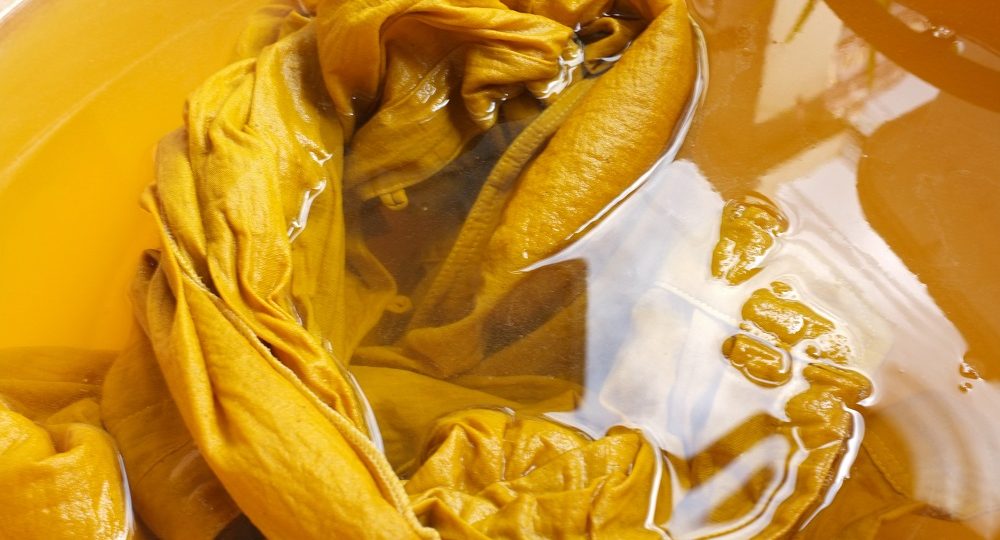
Barwienie tkaniny polega na poddawaniu jej barwnikom syntetycznym, które mają na celu nadać tkaninie odpowiedni kolor. Można wyróżnić różnego rodzaju sposoby barwienia i są to: barwienie bezpośrednie, pigmentowe oraz reaktywne. Poza procesem barwienia tkaniny można również wyróżnić proces jej bielenia, który polega na wystawieniu materiału na chemiczne substancje i jego zadaniem jest przygotowanie tkaniny do jej dalszej obróbki.

Przygotowywanie tkaniny do barwienia

Przygotowując się do barwienia tkaniny, trzeba zwrócić uwagę na trzy ważne kwestie: rodzaj tkaniny, temperaturę jej farbowania i wagę materiału. Dzięki znajomości tych parametrów będziemy wiedzieć, w jakiej temperaturze prać tkaninę, ile farby użyć oraz zorientować w doborze farby do konkretnego materiału. Dzięki takiemu przygotowaniu unikniemy nieprzyjemnych niespodzianek, które mogą wynikać ze złego doboru proporcji lub rodzaju barwnika.

Czego nie farbować?

Istnieją tkaniny, których nie powinno się farbować, są to między innymi poliester, poliamid, poliakryl, mikrowłókna, tkaniny z puchowym wypełnieniem. Również nie powinno się farbować tkanin, które nie nadają się do prania, jak i poprzecieranego jeansu.
tkanina