

BILO DYE SHOP

Welcome to the website of BILO dye shop! Our company has been specializing in dyeing, refining and treatment of fabrics and knitted fabrics in finished textile products for almost 30 years. We have a modern machinery park that enables us to carry out all, even the most extraordinary orders. One of the flagship services of our company is dyeing viscose, polyamide and denim. In addition, as one of the few, we offer dyeing clothes. The colour of fabrics dyed and bleached in our company is durable and intense.

During many years of our operation on the market, we have worked with many customers, also in the field of refining finished products, washing and decatising fabrics. Our range of services is a response to customer needs and the latest trends. In addition, you can use the help of our specialists – we always explain in detail the nature of the given service, the scope of works and what the expected effect. Refining fabrics is for us more than just work and we try to share our experiences. If you are not sure if the fabric can be treated, please contact us. We will do our best to answer all your questions.

Decatising of fabrics

The aim of the process of decatising is to “pre-shrink” the fabric so that the clothes made of it do not shrink during use, especially during the first wash. The second reason why it is worth to decatise the fabric is to clean it of impurities that may have occurred in the factory, warehouse, and during transport. Denim decatising is a separate service, which gives denim clothes a unique character. We make 3D effects as well as effects of damage and aging of denim products. We can make the clothes unique, for example through the natural leather effect or the peach effect. Water cleaning does not affect the finishes we obtain. Have a look at the full Bilo range of services! We guarantee timely execution of orders, competitive prices as well as professional service and support at every stage of the order. It is also worth knowing that all the products we use are safe for both health and the environment.

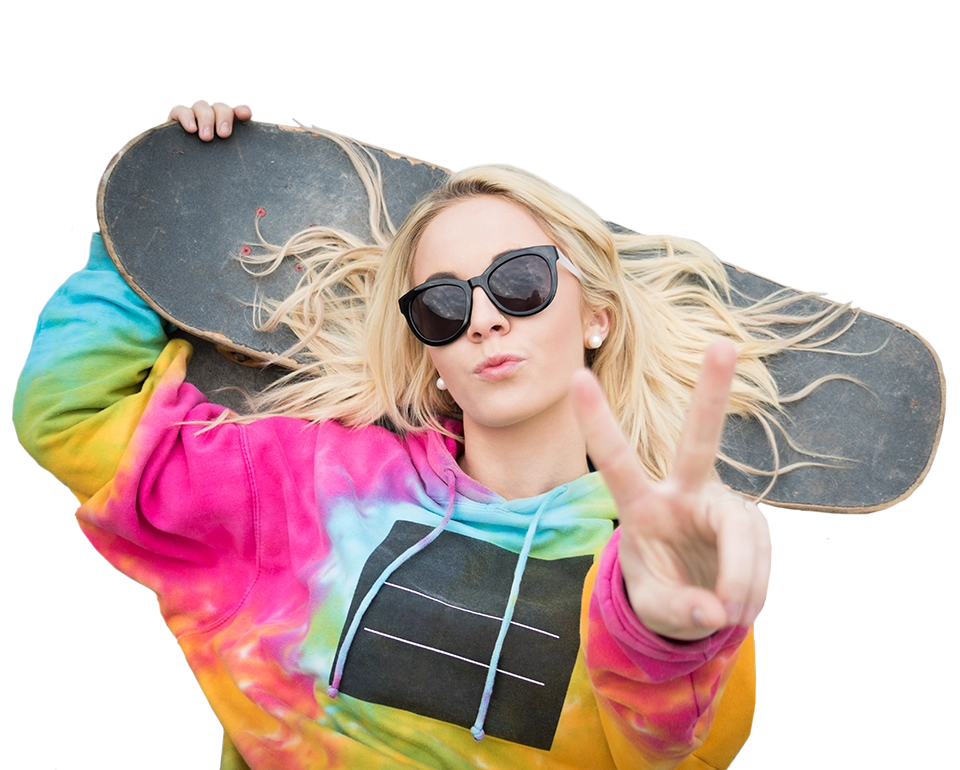
kobieta z deskorolką

Selection of coloring techniques

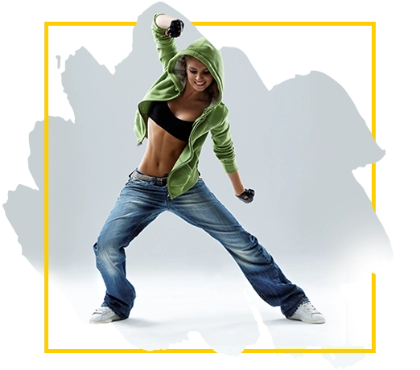
tańcząca kobieta

Decatization of fabrics and knitted fabrics

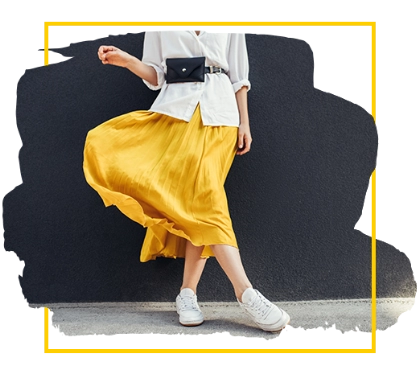
kobieta w żółtej spódnicy

Dyeing of fabrics and knitted fabrics

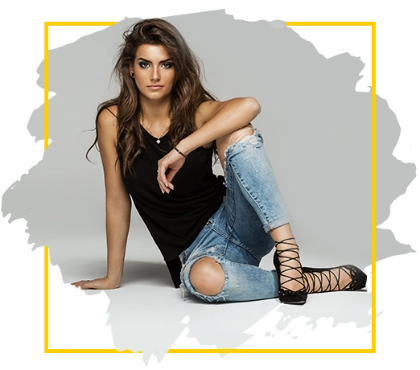
siedząca na podłodze kobieta

Antique denim products

kobieta w białej sukni

Bleaching of fabrics and knitted fabrics

baletnica

Refining fabrics and knitted fabrics

breakdance

Our projects

Kolor twoich ubrań stracił intensywność, stał się wyblakły i nieatrakcyjny? A może chcesz nadać tkaninie zupełnie innego koloru? Masz taką możliwość za sprawą farbowania tkanin.

Jakie tkaniny można farbować?

Kolor twoich ubrań stracił intensywność, stał się wyblakły i nieatrakcyjny? A może chcesz nadać tkaninie zupełnie innego koloru? Masz taką możliwość za sprawą farbowania tkanin.

Farbowanie tkanin, kiedyś praktykowane na szeroką skalę, współcześnie wraca do łask. Jest to ciekawy i stosunkowo prosty sposób, aby dać materiałom, którymi otaczamy się na co dzień, nowe życie. Trzeba jednak pamiętać, że metoda farbowania zależy nie tylko od zastosowanego typu barwnika, ale i specyfiki tkaniny.

Farbowanie tkanin naturalnych

Jeśli chcemy samodzielnie podjąć się farbowania tkanin, musimy pamiętać, że jest to możliwe wyłącznie w przypadku materiałów naturalnych. Można próbować farbować również sztuczne materiały, ale efekty zwykle są niezadowalające. Zwykle stosowane barwniki nie są w stanie wniknąć we włókna sztuczne lub wnikają tylko częściowo, co daje niezbyt atrakcyjny efekt — kolory mogą być rozmyte, nierównomierne i szybko wyblakną podczas prania.

Z powodzeniem możemy farbować bawełnę, len, wiskozę, stylon. Są to włókna wyróżniające się dużą porowatością, dlatego też barwnik może szybko przeniknąć w głąb ich strukturę i pozostaje w niej przez dłuższy czas. Podczas farbowania materiałów potrzebny jest odpowiedni barwnik, ciepła woda oraz niewielka ilość octu. Dlaczego ocet? Ponieważ pomaga on łatwiej wniknąć kolorowi w głąb struktury tkaniny, dzięki czemu jest on bardziej intensywny i jednolity. A tworząc na materiale różnorodne supły czy skręcenia, możemy dodatkowo tworzyć różnorodne wzory.

Trzeba również pamiętać, że w zależności od rodzaju zastosowanego materiału, możemy spodziewać się różnych odcieni wybranych kolorów. Przykładowo, farbując białą koszulkę bawełnianą, możemy mieć niemal całkowitą pewność, że efekt będzie zgodny z odcieniem zastosowanego barwnika. Jeśli jednak planujemy zafarbować fioletową koszulkę czerwonym barwnikiem, raczej nie uzyskamy dokładnie czerwieni, lecz pewien odcień tego koloru. Niemniej jednak i takie rezultaty naszych prac mogą być ciekawe, ponieważ pozwalają nam na tworzenie bardzo oryginalnych ubrań.
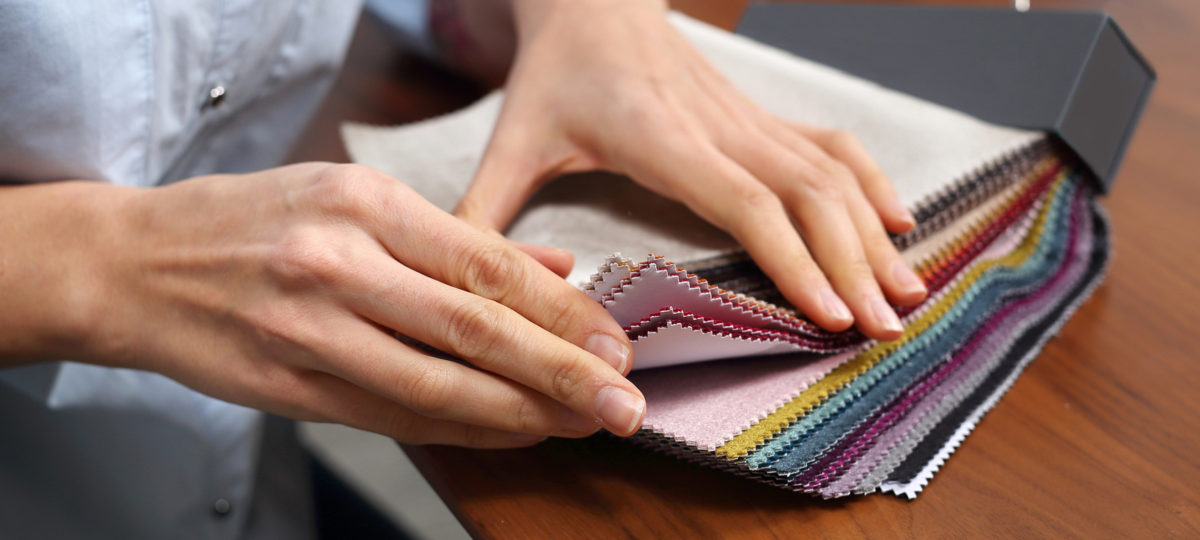
tkaniny